


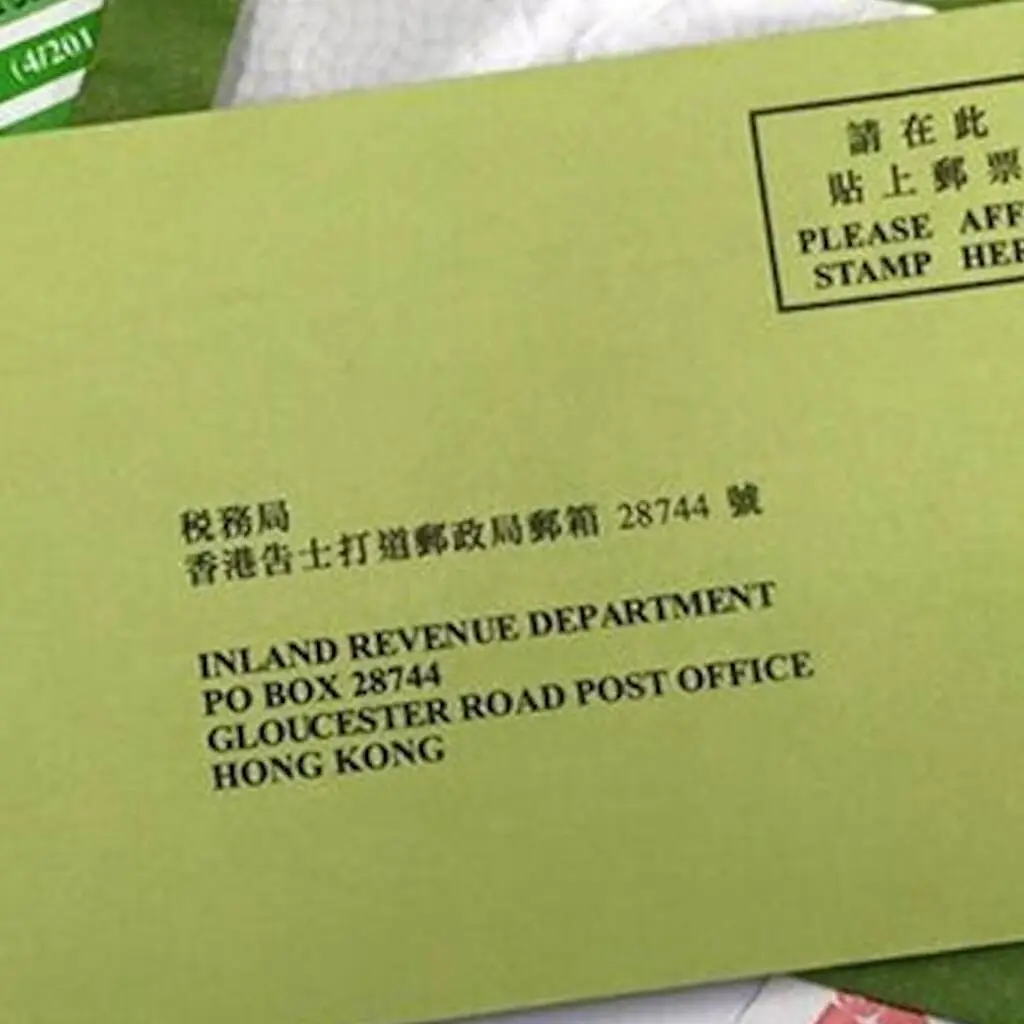
It's tax season again. Paying tax on time is the responsibility of every citizen and enterprise in Hong Kong. The Inland Revenue Department of Hong Kong (IRD) has kept abreast of the times by providing a wide range of convenient tax payment methods, ranging from traditional in-person payment to modernized electronic payment, so that busy city dwellers can handle their tax affairs with ease. This article aims to provide you with a comprehensive introduction to the mainstream tax payment methods in Hong Kong, comparing their advantages and disadvantages, and exploring why a professional business and tax consultant can be your strongest support in the increasingly complex tax environment, helping you to handle all tax matters with ease.
How to pay tax in Hong Kong
Electronic Tax Payment
With the development of technology, electronic payment has become the mainstream, and its convenience and speed are very popular among taxpayers.
- Fast turnaround (FPS)You can pay your tax bill by scanning the "Pay by Credit" QR code on the tax bill. Simply log in to your bank's mobile application or e-purse that supports "MoneyGram", scan the "MoneyGram" payment QR code on your tax bill, the system will automatically input the payment information, and the payment will be completed immediately after checking, eliminating the need to manually input the bill number, saving you time and accuracy.
- Internet Banking: Almost all local banks provide online bill payment service. Simply log in to your personal or business online banking account, select "Bill Payment", choose "Inland Revenue Department" from the list of merchants, and then enter the "Payment Account Number" and the amount shown on your tax bill.
- PPS (PPS): A traditional and reliable way to pay your taxes electronically. You can pay your tax by phone, through the Internet or through the PPS mobile application. First time users are required to register for a tax bill with a merchant code of "10".
- Wallets and Credit CardsTax payment is supported by electronic wallets such as AlipayHK (Alipay Hong Kong) and WeChat Pay HK (WeChat Pay Hong Kong). Some credit cards even offer cash rebates, bonus points or mileage discounts for tax payment, which is a way to "save tax". However, it is important to note that some banks or credit card companies may classify tax payment as an ineligible transaction or charge a certain percentage of handling fee, so you should check with the card issuer before making the payment.
- E-Check: You may issue eChecks by logging into your online banking account and uploading them through the eCheck Payment website or paying them through the eCheck Deposit Service.
In person and by mail
If you prefer the traditional method of payment, IRD also offers the following methods:
- Post Offices and Convenience StoresYou can bring your tax bill to any post office in Hong Kong and pay by cash, cheque or EPS. In addition, 7-Eleven, OK Convenience Store, VanGo Convenience Store and U-shop Select also provide tax payment service by cash. However, please note that the maximum amount for each cash payment at convenience stores is HK$5,000.
- Mailed Checks: This is the most traditional method. You need to write a crossed check payable to "The Government of the Hong Kong Special Administrative Region" and write the account number of the tax bill on the back of the check. Mail the check with the bottom half of the tax bill to "P.O. Box 28282, Gloucester Road Post Office, Hong Kong". Remember to allow sufficient mailing time to ensure that the cheque is received by the Inland Revenue Department before the deadline.
Points to note before tax payment
- On time稅importance of: The due date will be clearly stated on the tax bill. The Inland Revenue Department (IRD) will immediately impose a surcharge of 5% on any overdue tax, and an additional surcharge of 10% will be levied if the tax remains unpaid six months after the due date. Serious defaulters may face legal action, so do not take it lightly.
- Provisional payment稅What is it?: Many people are confused about 'provisional tax'. Simply put, it is a tax assessed on your income for the previous year of assessment, which is used as a pre-payment for the current year's tax. When you file your tax return for the following year, the Inland Revenue Department will calculate the total amount of tax payable based on your actual income for that year, and then deduct the provisional tax you have already paid.
- Making good use of allowances and deductions: When filing your tax return, make sure you have claimed all eligible allowances and deductions, such as self-education expenses, home loan interest, recognized charitable donations, MPF mandatory contributions and eligible annuity premiums. Incorrectly filed or omitted returns may result in overpayment of tax and a wasted opportunity for legitimate tax savings.
Why do I need a professional tax advisor?
Taxation may be simple, but the underlying tax reporting, planning and compliance is a specialized subject. For SMEs and start-ups in particular, a professional tax advisor can bring great value to you.
- Ensure稅Service Compliance: Hong Kong's tax regulations are updated from time to time. Professional consultants can keep abreast of the latest regulatory requirements and help you complete your tax return accurately and avoid unnecessary penalties and interest due to incorrect, omitted or late filing.
- Professional稅Business Planning and Optimization: Tax consultants do much more than just filing tax returns. They will provide you with long-term tax planning strategies based on your personal or company's financial situation, making use of various tax incentives, concessions and deductions in full compliance with the law, and formulating the most optimized tax plan for you to achieve the lowest tax burden.
- respond稅affairs bureau查Enquiries and mediation查When you are unfortunate enough to face an inquiry, field audit or in-depth tax investigation from the Inland Revenue Department (IRD), the situation may become quite complicated and tricky. A tax consultant can represent you with his/her professional knowledge and experience, communicate effectively with the IRD and handle complicated questions to strongly protect your interests.
- Save valuable time and energy: Your time and energy should be focused on the development and growth of your core business. Leaving the tedious accounting and tax tasks to the experts not only ensures professionalism and accuracy, but also frees you up to focus on more rewarding tasks.
Pay tax smart and focus on development
All in all, Hong Kong offers a wide variety of tax payment channels. Taxpayers can choose the most convenient and fastest way according to their own habits and needs. However, we must understand that easy tax payment does not mean simple tax payment. If you want to ensure full tax compliance and at the same time save every cent of tax legally, seeking professional assistance is undoubtedly the wisest choice for SMEs and entrepreneurs.
M & N's professional team has extensive experience in tax handling and can provide you with one-stop tax filing, accounting and tax planning services. We are committed to helping you solve all your tax problems so that you can focus on expanding your business without worrying about the future. If you have any questions about profits tax, salaries tax or other tax issues, please feel free to contact our professional consultants.
References:
Inland Revenue Department - Payment Method
https://www.ird.gov.hk/chi/tax/pay_pme.htm
Frequently Asked Questions
eMPF (MPF Easy)It is a one-stop e-commerce service led by the MPFA.flat-roofed buildingIn addition, the MPF scheme will be consolidated with the MPF schemes dispersed among different trustees to facilitate administration by members and employers.
Some credit cards offer tax rebates, bonus points or air miles as a way to "earn rebates". However, please note that some banks consider tax payment as an ineligible transaction and may charge a handling fee. It is advisable to check the terms and conditions with the card issuing bank before making payment.
Provisional tax is an advance payment of tax for the current year, usually calculated on the basis of your previous year's income. When you are assessed for the next year, the Inland Revenue Department (IRD) will calculate the actual amount of tax payable and deduct the amount of Provisional Tax already paid, so as to avoid the burden of paying a large amount of tax in one go.
Provisional tax is an advance payment of tax for the current year, usually calculated on the basis of your previous year's income. When you are assessed for the next year, the Inland Revenue Department (IRD) will calculate the actual amount of tax payable and deduct the amount of Provisional Tax already paid, so as to avoid the burden of paying a large amount of tax in one go.
While "paying tax" is simple, "filing tax return" involves complicated tax regulations, deduction calculations and compliance requirements. Professional consultants can assist you in long-term tax planning, legal tax saving, and represent you in handling inquiries or investigations by the Inland Revenue Department to avoid penalties caused by inadvertent mistakes.
Disclaimer
This article has been compiled by M&N to provide general guidance based on publicly available information and statutory provisions only. The information contained herein should not be regarded as legal or other professional advice. M&N accepts no liability for any action taken or loss incurred as a result of reliance on the contents of this document. As legislation is amended from time to time, it is important to refer to the latest official regulations or seek independent professional advice in dealing with specific cases.

